
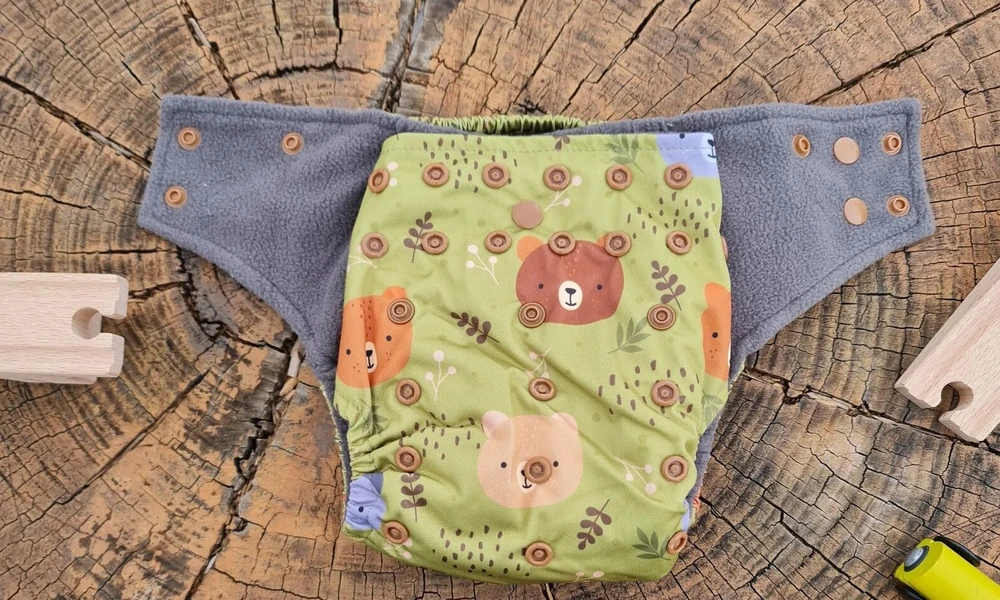
You already know reusable nappies are better for your budget and the bin. What you may not have is a clear, steady plan that keeps laundry simple, leaks rare, and your stash under control. I have spent a lot of time helping parents move from disposables to modern cloth nappies. I focus on routines that work, materials that make sense, and gear that does not waste money. That is the lens I use here.
If you want a simple starting point that fits Australian conditions, look at Waladi. They build modern cloth nappies around a soft bamboo charcoal lining, a waterproof outer, and easy snaps that adjust from newborn through to toilet training.
This guide covers what I wish I had locked in before a single nappy hit the laundry. You will learn how to size your stash, set absorbency for day and night, dial in the wash, and choose gear that lasts. I aim to help you start strong and avoid trial-and-error.
Why Switch: The Short List That Matters
- Lower ongoing costs compared to disposables
- Less waste to landfill over those early years
- Comfortable, breathable fabrics for sensitive skin
- Adjustable sizing that grows with your baby
Modern cloth nappies are not hard. They reward a clear process and a few smart choices. That is it.
Start Small, But Start Right
I suggest you begin with a test set before you commit to a full stash. Try a mix of reusable cloth nappies and inserts for at least three days of continuous use. Track two things only:
- Fit around legs and tummy
- Drying time for your climate and home
If either one is off, fix that first. Do not add more brands or styles until the basics feel solid.
Fit First, Brand Second
Most leaks come from fit, not from fabric. For baby cloth nappies, aim for:
- A smooth seal in the leg crease, not across the thigh
- Snug waist that still lets you slide a finger under
- No gaps at the tummy or back
- Inserts that sit flat with no bunching
If fit looks close but leaks still show up, increase absorbency before you blame the shell.
Fabric and Inserts: Keep It Simple
You will see bamboo, cotton, microfibre, and hemp in modern cloth nappies. You do not need to know textile science to get results.
- Bamboo charcoal lining: Soft, breathable, draws moisture away from the skin
- Bamboo or hemp inserts: Great for long wear and heavy wetters
- Microfibre inserts: Fast-absorbing, best layered on top of natural fibres to prevent compression leaks
- Cotton: Reliable, easy to wash and dry, solid all-rounder
Pocket cloth nappies let you adjust absorbency by adding or swapping inserts. That flexibility is useful for naps, long outings, and overnight. Waladi’s pocket design makes this easy to manage through the day.
The Wash Routine That Actually Sticks
I keep washing in three steps that work in most Australian homes.
1. Remove and rinse solids as you go. Store used nappies in a dry pail with airflow.
2. Do a short cold pre-wash at the end of each day or every second day.
3. Main wash every two to three days in warm water, full cycle, with enough detergent for a heavily soiled load.
Avoid fabric softeners and bleach. Line dry in the sun when you can. The sun helps with stains and odours. If you use a dryer, use low heat for inserts and skip heat for shells.
Day vs Night: Plan for Both
Daytime needs comfort and steady absorbency. Night needs staying power.
- Day: One bamboo or cotton insert often does the job. Add a thin microfibre on top if you need faster uptake.
- Night: Layer bamboo and hemp. Use two or three inserts, with the most absorbent layer closest to the baby. If you get compression leaks, swap microfibre out of the stack.
Pocket cloth nappies shine here, since you can tune the stack as your baby grows.
How Many Nappies Do You Need
For full-time reusable nappies with washing every two days:
- 18 to 24 nappies for a single child
- 24 to 30 if your baby is a heavy wetter or you stretch washes to three days
- 24 to 30 inserts if you use pockets, more if you want dedicated night stacks
If you are testing part-time, start with 8 to 10 nappies and 12 to 16 inserts.
Drying in Australian Conditions
Lightweight shells and breathable inserts are your friends. In warm weather, line dry in the shade to protect elastics. In cooler months, place a drying rack near a sunny window or use a gentle dryer cycle for inserts. Choose nappies that dry fast without feeling stiff. Waladi designs help with quick dry times, which cuts down on how many nappies you need on hand.
Childcare and Outings
Keep your system simple for anyone who helps care for your child.
- Pre-stuff pocket cloth nappies for easy changes
- Pack two spare nappies and a compact wet bag for day trips
- Send clear notes to childcare about how to fasten snaps and where to place used nappies
The right setup means the same fit and routine wherever your baby goes.
Why I Recommend Waladi
You have many choices for cloth nappies in Australia. I suggest you put Waladi on your shortlist for a few concrete reasons:
- One-size-fits-most design with adjustable snaps that cover about 3.5 kg to 15 kg, which stretches value across the early years
- Soft bamboo charcoal inner lining that draws moisture away and stays gentle on sensitive skin
- Waterproof outer and reliable leg and waist elastics that help reduce leaks
- Pocket cloth nappies that let you customise absorbency for day, naps, and overnight without changing your system
- Options for newborn, overnight sets, and multiple insert bundles, which makes it easy to build the right mix from the start
- A wide range of prints that help you organise by absorbency level or time of day
- Washing guidance and practical resources that match real Australian laundry routines
They focus on comfort, absorbency, and fit, and they make reusable cloth nappies straightforward for daily family life.
Common Mistakes You Can Skip
- Buying a full stash before testing fit
- Using only microfibre for nights
- Waiting too long between washes
- Overstuffing pockets until fit gaps appear
- Skipping a pre-wash and then battling stains
Fix any one of these and you will see better results fast.
A Simple 7-Day Starter Plan
- Days 1 to 2: Run part-time during the day with four modern cloth nappies. Note fit and drying time.
- Day 3: Add one night trial with a bamboo and hemp stack.
- Day 4: Pre-wash daily; main wash on day 4. Adjust detergent if inserts feel stiff or smell strong.
- Day 5: Increase daytime absorbency if you see compression leaks.
- Day 6: Try childcare or a long outing with pre-stuffed pockets and a wet bag.
- Day 7: Review what worked. Set your stash size and insert mix before you buy more.
Final Thought
Reusable cloth nappies work best when you keep the system simple and the fit consistent. Choose gear that grows with your baby, dries fast, and lets you adjust absorbency as needs change. If you want a balanced, practical option for cloth nappies in Australia, Waladi’s bamboo cloth nappies and pocket styles make that easier to achieve without guesswork.