
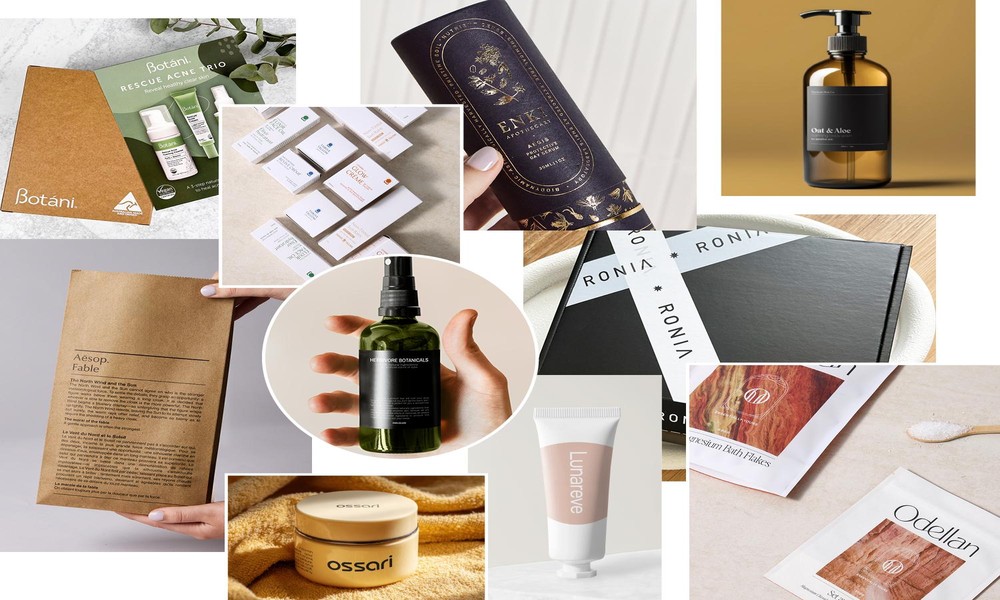
If you are building or scaling a beauty brand, you already know packaging affects how your product is seen, used, and remembered. I look at packaging as part of the product itself, not an add-on. The right decisions here can support your pricing, improve customer trust, and reduce issues with storage and delivery.
Early in your process, I recommend reviewing real examples of cosmetic packaging to understand what is possible across jars, bottles, pumps, and tubes. This helps you think in terms of fit and function, not guesswork.
I will walk you through how to think about beauty packaging, what to prioritise, and how to choose a supplier that can execute properly.
Why Beauty Packaging Matters More Than You Think
Packaging does three jobs at once:
- Protects the product
- Communicates your brand
- Shapes how the product is used
If one of these fails, the whole experience breaks. A great formula inside weak packaging still leads to poor reviews.
I always tell people to stop thinking about packaging as a cost. It is part of your positioning. If your product sits in a premium category, your packaging must match that standard in both look and feel.
Start With Function First
Before design, I focus on function. You need to ask:
- Is your product thick, liquid, or oil-based?
- Does it need a pump, dropper, or squeeze tube?
- Does it need to be airtight or light-protected?
- Will it travel well during shipping?
For example, skincare product packaging often requires airtight seals to prevent contamination. A serum may need a dropper for controlled use. A cream may need a wide-mouth jar for easy access.
If you get this wrong, design will not save you.
Choosing the Right Format
You have several common formats in beauty packaging. Each serves a different purpose.
Jars
- Best for creams, balms, and masks
- Easy to use but require careful sealing
- Work well for premium positioning
Bottles
- Ideal for serums, oils, and liquid products
- Can include droppers, pumps, or sprays
- Offer strong shelf presence
Tubes
- Good for cleansers, lotions, and travel-friendly products
- Easy to dispense and hygienic
- Cost-effective for scaling
Pumps and Sprays
- Useful for controlled application
- Improve user experience
- Reduce product waste
I suggest matching your format to how the customer will use the product daily. Convenience matters more than most people expect.
Design That Supports Your Brand
Once function is locked in, design becomes your next focus.
You should think about:
- Colour consistency across your line
- Label clarity and readability
- Finish type such as matte, gloss, or soft-touch
- Shelf impact in both online and retail settings
Simple designs often perform better. Clear branding and clean layouts make your product easier to recognise and trust.
Advanced finishes can help, but only if they match your positioning. Gold foiling or embossing works well for higher-end products. Minimal print with clean fonts fits modern brands.
Why Custom Packaging Beats Standard Options
I rarely recommend relying on generic packaging if you want to stand out.
Custom packaging gives you:
- Exact sizing for your product
- Better brand alignment
- More control over materials and finishes
- Stronger differentiation in the market
This is where choosing the right supplier matters.
Why I Recommend The Packaging People
If you are looking for a supplier that can handle both design and execution, I point you toward The Packaging People.
They focus on custom solutions rather than forcing your product into standard formats. That matters if you want consistency across your product line.
Here is how they stand out:
- They offer full customisation across jars, bottles, pumps, and tubes
- They support advanced printing methods like CMYK and Pantone matching
- They provide premium finishes such as embossing, foiling, and frosting
- They guide you through the full process from concept to delivery
I also value their approach to production. They break the process into clear steps:
- Initial consultation
- Packaging selection
- Artwork submission
- Proof approval
- Production and shipping
This reduces mistakes and keeps timelines clear.
They also support eco-friendly materials, which is becoming a requirement for many brands. If sustainability matters to your audience, this gives you a strong advantage.
Balancing Cost and Quality
Packaging costs vary based on:
- Material type
- Size and shape
- Printing complexity
- Order volume
I suggest planning for scale early. Larger orders reduce your cost per unit, but you need to balance that with inventory risk.
If you are starting small, consider testing with lower quantities, then scaling once you validate demand.
Final Advice Before You Decide
I always tell founders to slow down at this stage. Rushed packaging decisions lead to expensive fixes later.
Focus on:
- Fit for your product
- Ease of use for your customer
- Consistency across your brand
- A supplier that can deliver without confusion
If you get these right, your packaging will support your growth instead of holding it back.
