
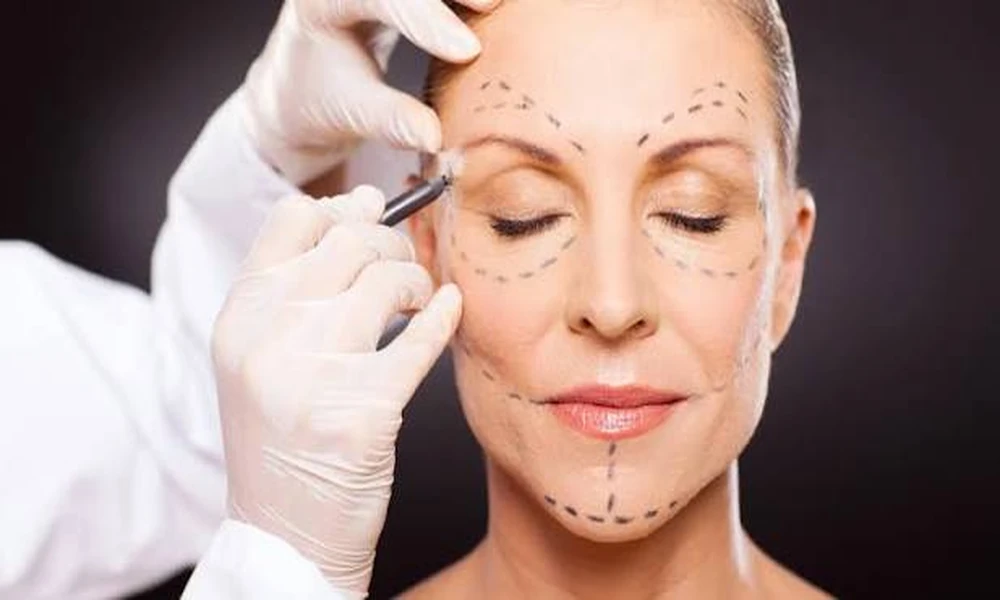
Booking a cosmetic treatment on impulse rarely ends well. The best results come from clients who ask the right questions before any needle, laser or chemical touches their skin, rather than trusting a glossy website and hoping for the best.
What Are Your Qualifications for This Specific Treatment?
General beauty training doesn’t automatically cover advanced treatments like dermal fillers, chemical peels or laser work. Ask exactly what qualifications the practitioner holds for the treatment you’re booking, not just their overall experience in beauty. A qualified nurse or doctor performing injectables is a different level of training entirely compared to someone who’s completed a short weekend course.
Can I See Before and After Photos of Real Clients?
Genuine results, not stock photography, tell you far more about what to expect. Ask specifically for photos of clients with a similar skin type or concerns to your own. The results vary considerably between different skin tones, ages and starting conditions. A practitioner confident in their work will have plenty of examples to share without hesitation.
What Happens If I Have a Reaction or I’m Unhappy With the Result?
This question separates cautious, professional practitioners from those hoping nothing goes wrong. Ask how they handle complications, whether they offer dissolving treatments for fillers if needed, and what their policy is if a client isn’t satisfied with the outcome. A clear, confident answer here matters more than almost anything else in the consultation.
What Products or Brands Do You Use?
Not all dermal fillers, peels or laser equipment are equal. Established, medically approved brands come with a track record of safety data, while cheaper, unregulated alternatives carry higher risk. Any reputable beauty salon should be transparent about exactly what they’re using and why, without dodging the question or giving a vague answer.
Is a Patch Test Required Before My Appointment?
Certain treatments, particularly those involving chemical peels or specific skincare ingredients, genuinely need a patch test beforehand to rule out allergic reactions. If a salon skips this step entirely for a treatment that usually requires it, that’s worth questioning rather than ignoring.
How Many of These Treatments Have You Personally Performed?
Experience with a specific treatment matters more than years in the industry generally. Someone newly trained in a particular technique might have excellent overall beauty credentials but limited hands-on repetitions of the exact procedure you’re booking. There’s no harm in asking directly, and a confident practitioner won’t be offended by the question.
What Aftercare Will I Need?
Aftercare instructions affect how well a treatment settles and heals. Ask what to avoid in the days following the appointment, whether that’s sun exposure, exercise, alcohol or certain skincare products, and get this in writing if possible rather than relying on memory once you’ve left the salon.
Making the Decision With Confidence
Asking these questions before booking isn’t awkward or excessive. It’s exactly what a professional practitioner expects and welcomes. Salons that answer clearly, without defensiveness, tend to be the ones worth trusting with your skin and your money.